Humans Have Entered the Chat: The Office Finally Gets a Heart
Ayla Calverley, Director of Interiors — In recent years, we’ve witnessed a seismic shift in the world of workplace design. What was once focused primarily on efficiency, output, and occupancy metrics has evolved into a field that puts people first. Many of the changes I’ll touch on were in their early stages in 2019 and earlier but accelerated rapidly since the pandemic. It’s exciting to watch this evolution continue, as people maintain a strong interest in and reap the benefits of thoughtful workplace design.
As Interior Designers, we’ve welcomed this shift. Our training is centered around the occupant experience and how we can enhance it in countless ways. Seeing workplaces become more human-centered than ever and embracing wellness, inclusivity, sustainability, and flexibility, feels more like a long-awaited alignment than a disruption.
Below is a summary of the recent evolution of Workplace Design:
Function over feeling (Pre-2020): Before the pandemic, workplace design focused primarily on efficiency and maximizing space, favoring open-plan layouts over collaboration or wellness areas. Individual needs, including mental health, diversity, and sensory comfort, were largely overlooked in favor of cost and density optimization.
The disruption of COVID-19 (2020–2022): The pandemic accelerated the shift to hybrid work, making health, safety, and flexibility top priorities while blurring the boundaries between home and office. These changes reshaped workplace culture and set new expectations around technology, privacy, and overall wellbeing.
Designing for humans (2023 and beyond): Post-COVID, workplace design shifted toward human-centric approaches, transforming offices from mere work containers into destinations. Spaces now aim to enrich, support, and empower individuals across all aspects of their identity and experience.
The future of work is human. And the future of interior design is here to serve it
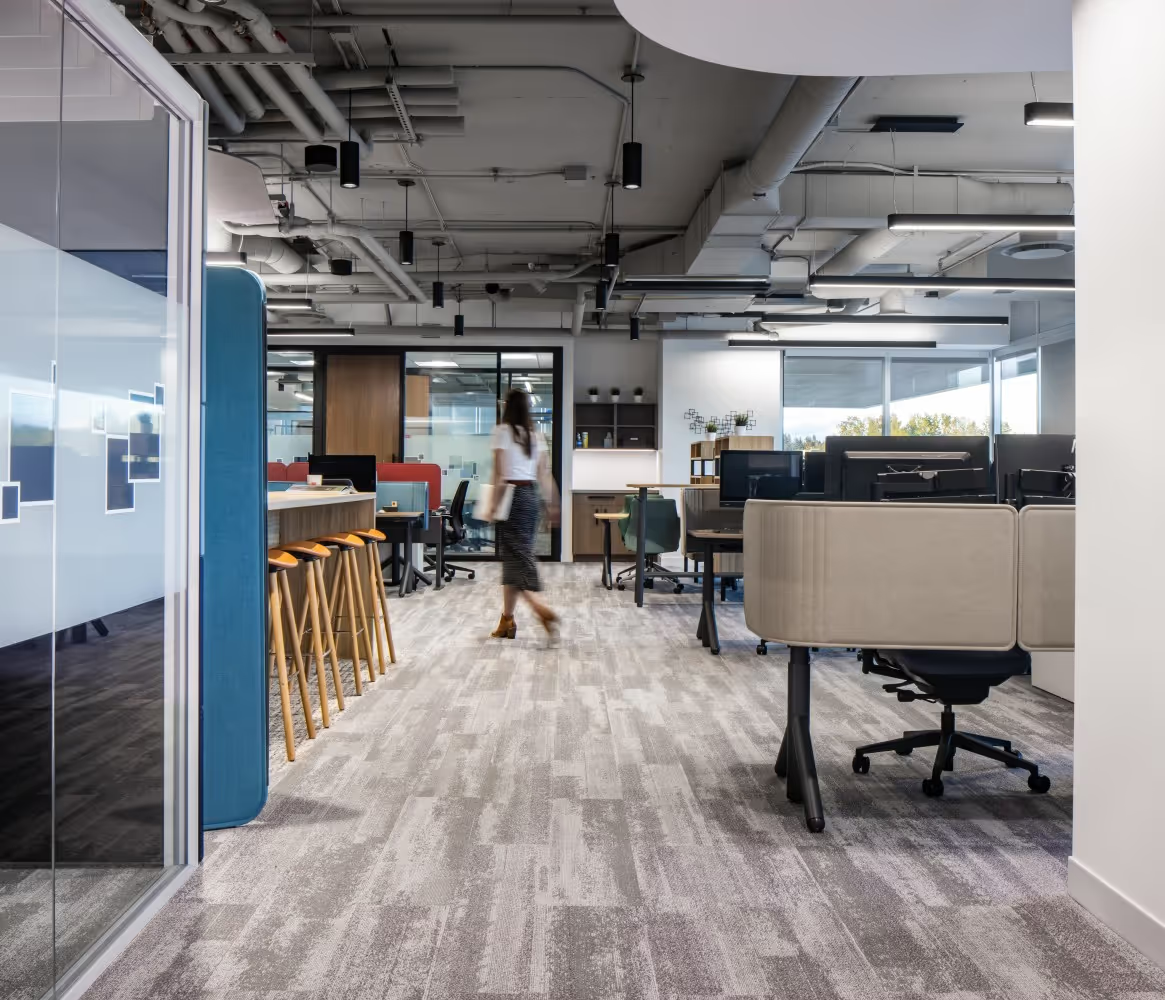
Today’s workplaces are being reimagined, not just as spaces to complete tasks, but as environments that actively support the people behind them. With more awareness around the benefits of neurodivergent-friendly environments, gender-neutral washrooms, wellness rooms and culturally inclusive spaces, today’s modern workplace is designed to reflect the diverse needs of its people. Technology, hybrid collaboration, and private focus areas are baseline tools for supporting this across teams and time zones.
Our goal is to bring culture, vision, and talent strategy into physical form, creating spaces that leave people feeling better, more energized, and more connected than when they arrived.
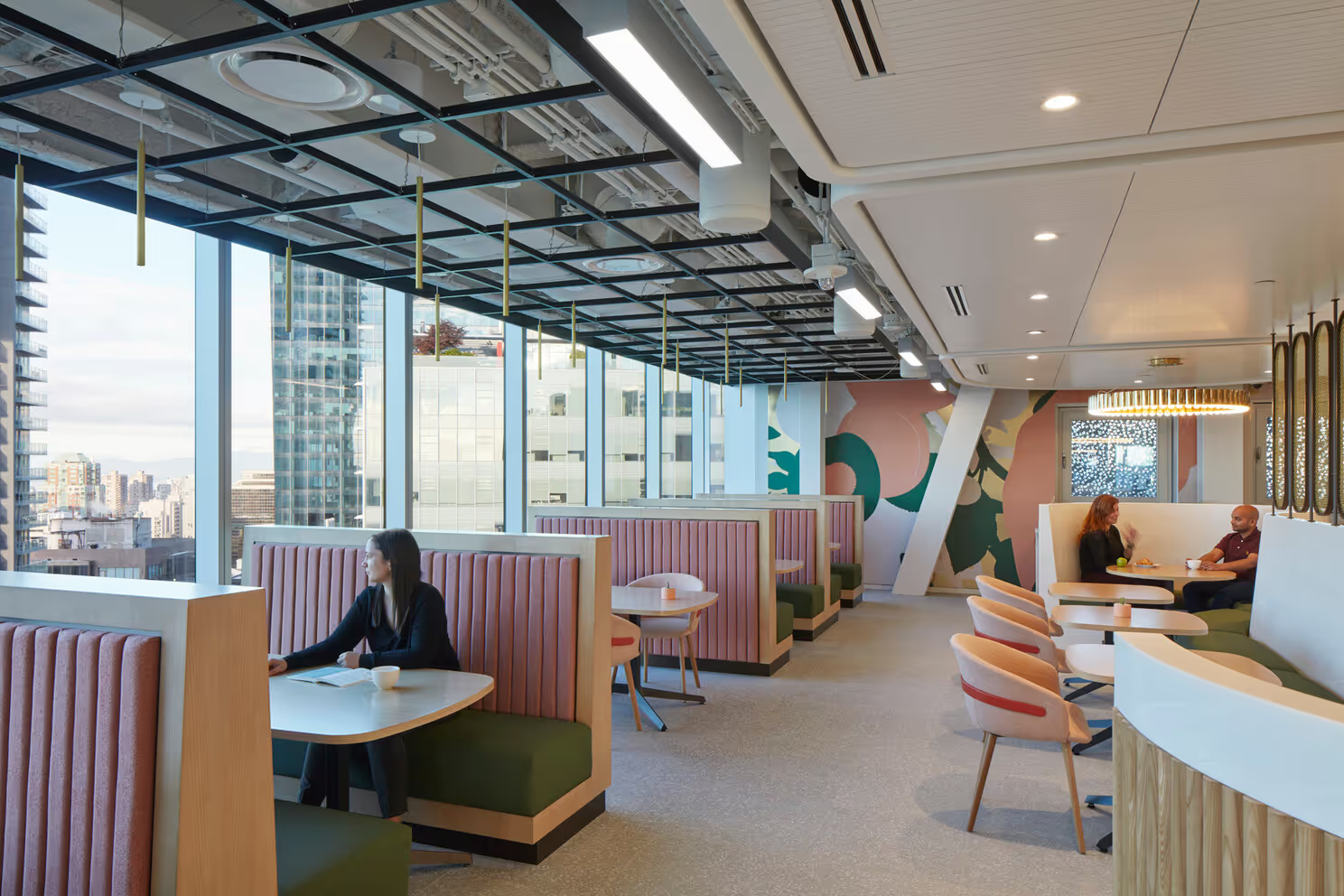
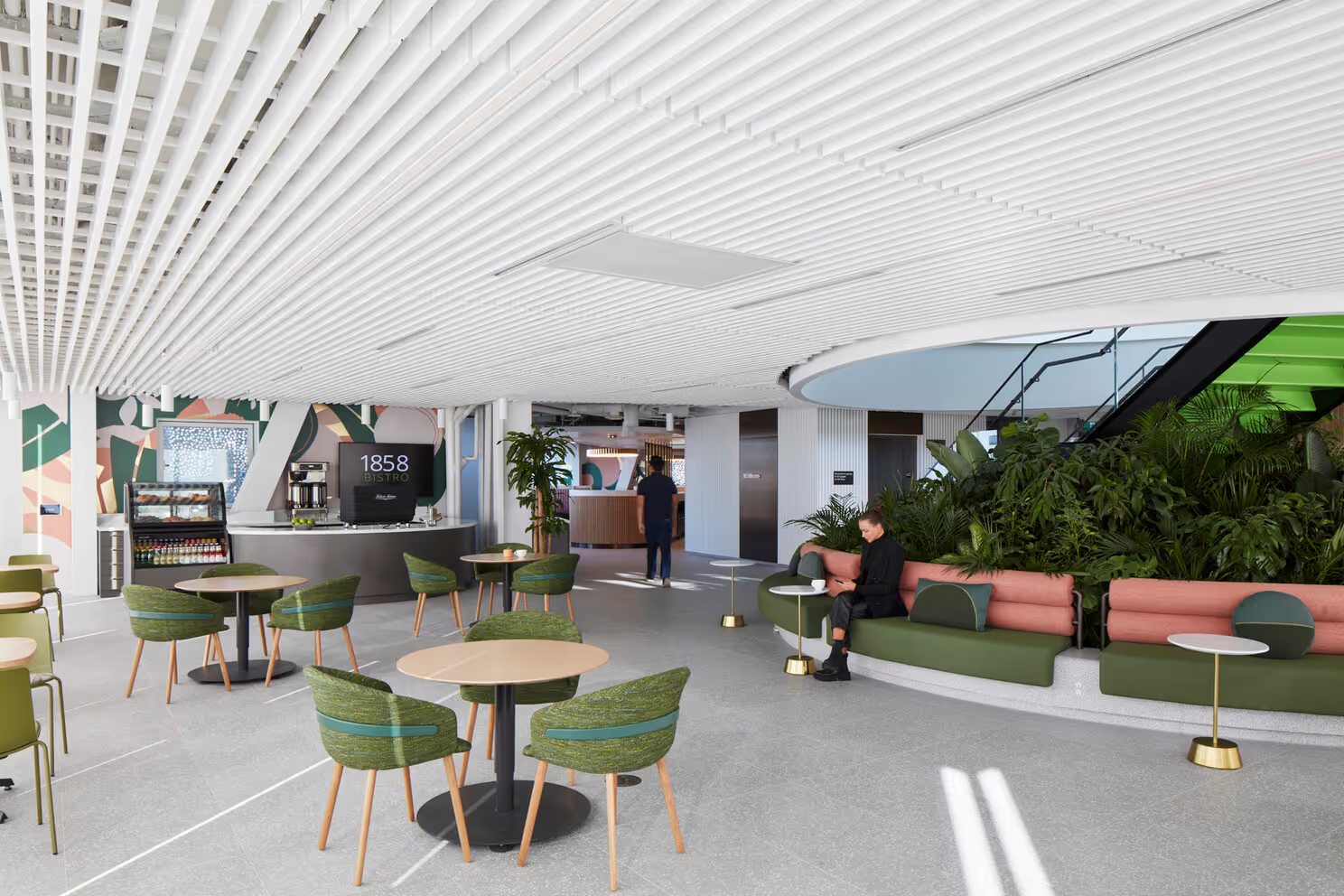
1. Wellness and biophilia: Today’s workplaces increasingly integrate natural elements not only for visual appeal, but to support employee wellbeing. Biophilic design has been shown to reduce stress, improve mental health, and enhance focus. Features such as access to natural light, indoor plants, water elements, outdoor space, natural materials, and even curved forms in design all contribute to creating environments that foster a deeper connection to nature.
2. DEI and cultural awareness: Interior design plays a critical role in fostering inclusivity:
a) Neurodivergent-Friendly Environments: Features such as calming rooms, adjustable lighting, acoustic control, and spatial zoning can support neurodivergent individuals. These elements help create a more inclusive environment while benefiting everyone by recognizing the wide range of cognitive and sensory experiences.
b) Gender-Neutral Washrooms: Providing access to gender-neutral washrooms is becoming a standard practice. This approach helps ensure that all individuals feel welcome, respected, and acknowledged in the workplace.
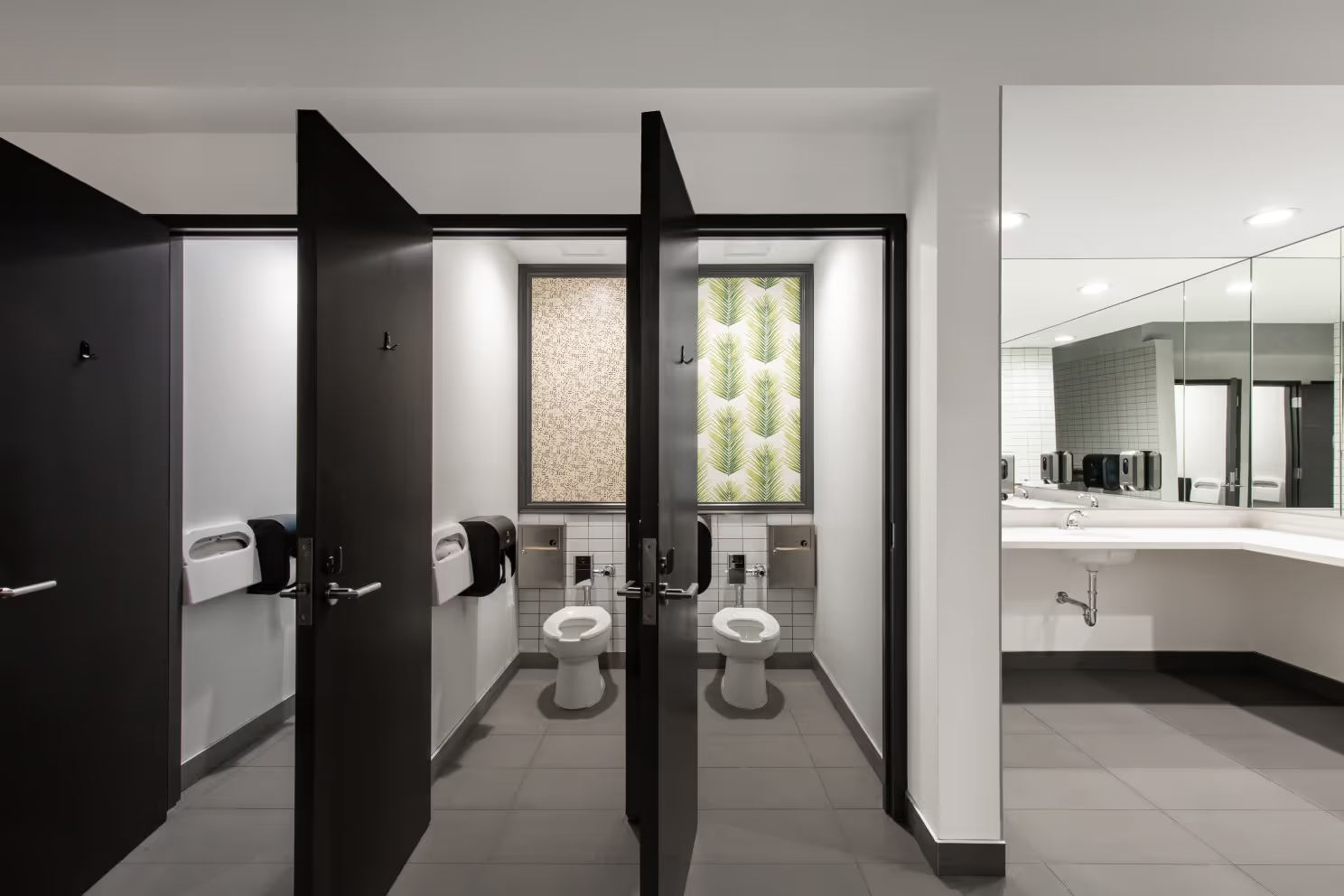
c) Multi-Purpose Wellness and Quiet Rooms: Wellness or quiet rooms can serve multiple functions. They may support spiritual practices, provide a space for reflection, or accommodate the needs of new or lactating parents. These rooms promote well-being and flexibility for a diverse workforce.
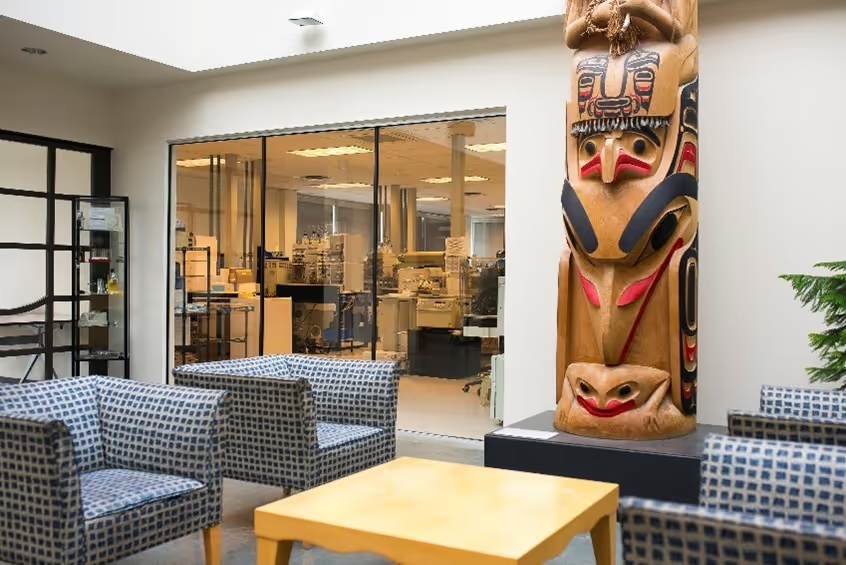
d) Cultural Representation and Reconciliation: Incorporating cultural elements such as Indigenous artwork, materials, and land acknowledgments demonstrates a commitment to inclusivity and reconciliation. These design choices honor diverse histories and identities, enriching the workplace experience.
e) Beyond Code Compliance: Empathetic Design: While accessibility codes are important, truly inclusive design goes further. For example, fewer than 5 percent of Canadians use wheelchairs, yet accessibility efforts often focus primarily on this group. Empathetic design considers a broader range of needs, including those with visual, auditory, cognitive, or invisible disabilities. This approach reflects a growing understanding that we are designing for many different bodies and minds. Rather than using terms like "universal" or "accessible" design, we prefer "empathetic design," which focuses on supporting the full spectrum of human experiences.
3. Work-Life integration, not just balance: Flexibility is no longer a perk, it is an expectation. Today’s workplaces are evolving beyond simply allowing work from anywhere. Interior spaces are now intentionally designed to support a variety of workstyles and daily rhythms. This includes:
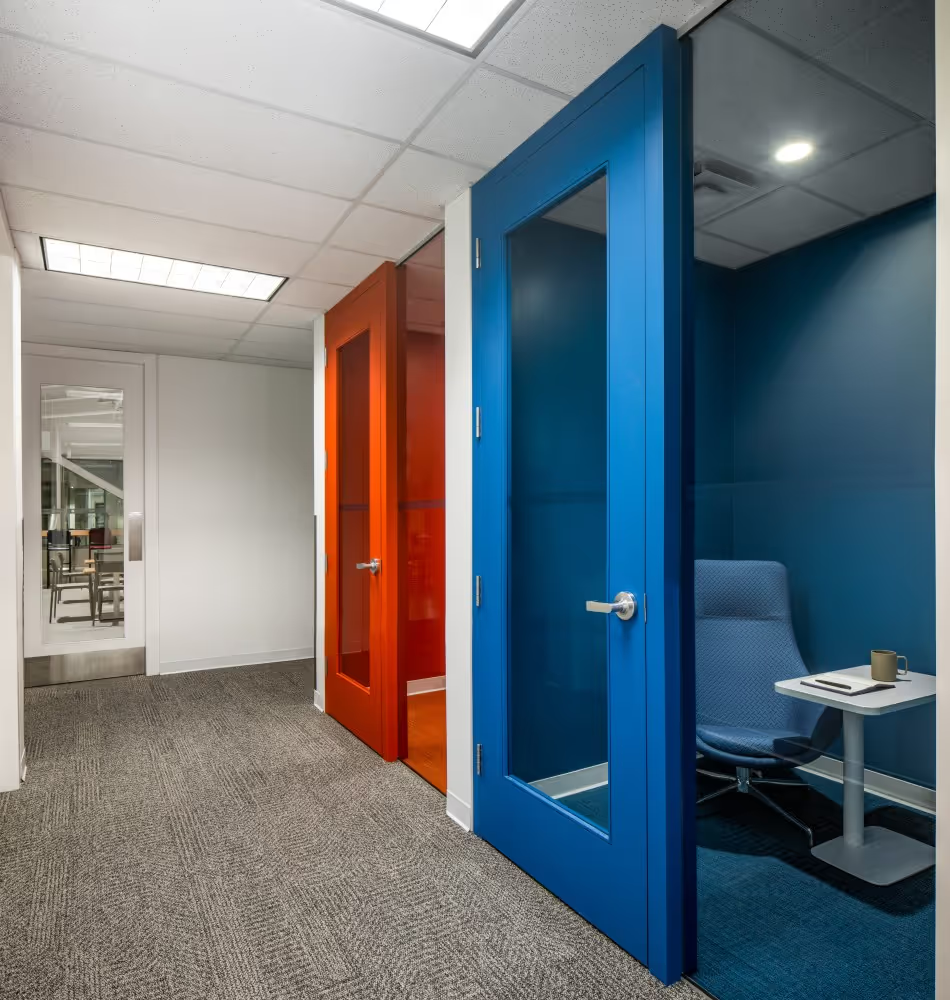
• Quiet zones or phone booths that provide privacy for focused work or personal calls.
• Wellness areas that encourage movement, rest, or decompression throughout the day.
These features reflect a shift toward supporting the whole person at work, recognizing that productivity and well-being go hand in hand.
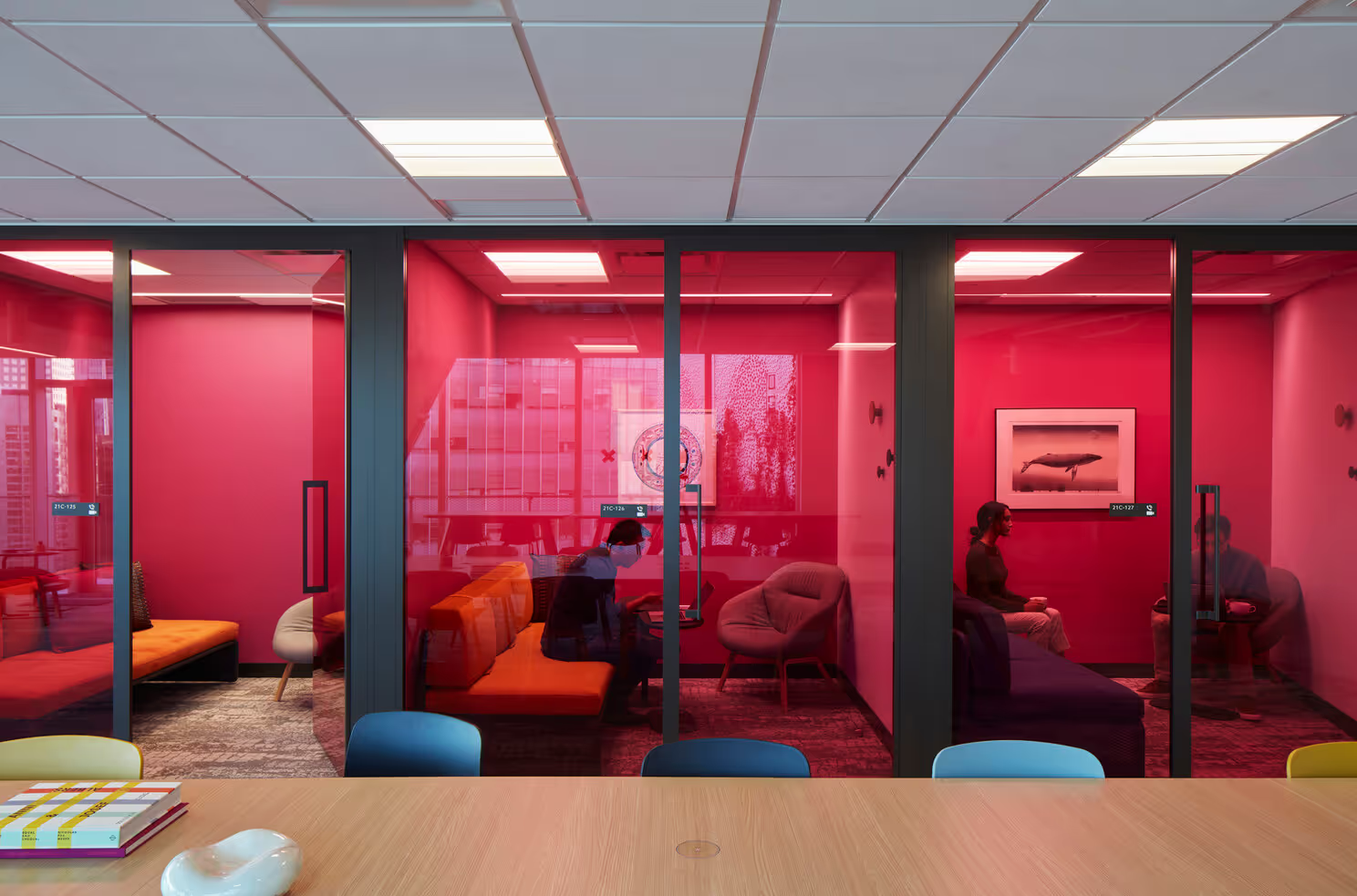
4. Private / Focus Space: While open-plan layouts still serve a purpose, the return of private, enclosed spaces addresses the need for heads-down, distraction-free work. These rooms also support multi-functional uses, such as wellness breaks or small meetings. Increasingly, they are being integrated into shared or unassigned desking environments and are often designed to match the size of a traditional private office.
This approach offers flexibility. One day the space may serve as a solo work pod, and the next it can host a three- to four-person meeting. Their presence supports concentration while maintaining adaptability and efficient use of space, both of which are essential in the modern workplace.
5. Technology for hybrid teams: Workplaces are now hybrid by design. Seamless integration of technology is essential to support collaboration across locations and time zones. Key tools include:
• Virtual meeting platforms that connect in-office and remote participants with ease.
• Intuitive booking systems for reserving desks, rooms, or shared spaces.
• Digital whiteboards that allow real-time brainstorming and ideation.
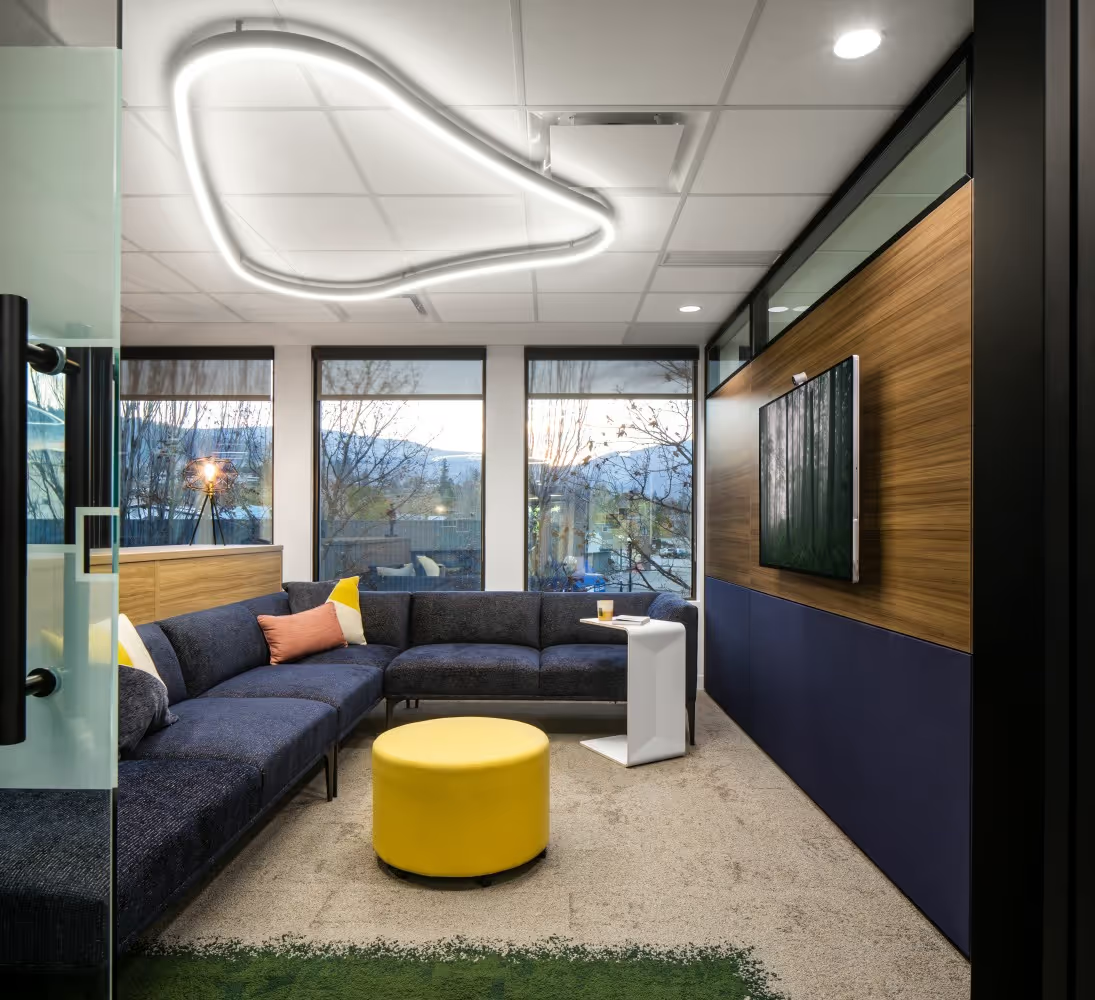
6. Design for HR goals: Human Resource objectives have become key drivers in interior design strategies. Research continues to show that thoughtful, beautiful, and supportive environments improve employee engagement, well-being, and retention.
HR costs have long represented a business’s largest investment, with real estate often being the second. Design serves as a bridge between the two, offering tools to enhance employee satisfaction, attraction, and retention. By aligning the right person with the right job in the right environment, companies gain a critical competitive edge.
The key is to identify clear business goals early and communicate them to the design team. As workplaces become more people-centered, design plays a central role in supporting those goals and translating culture, vision, and talent strategy into physical space.
7. Human Connection: As the purpose of the workplace continues to evolve, fostering meaningful human connection has become a central design goal. We see opportunities to support this through several key strategies:
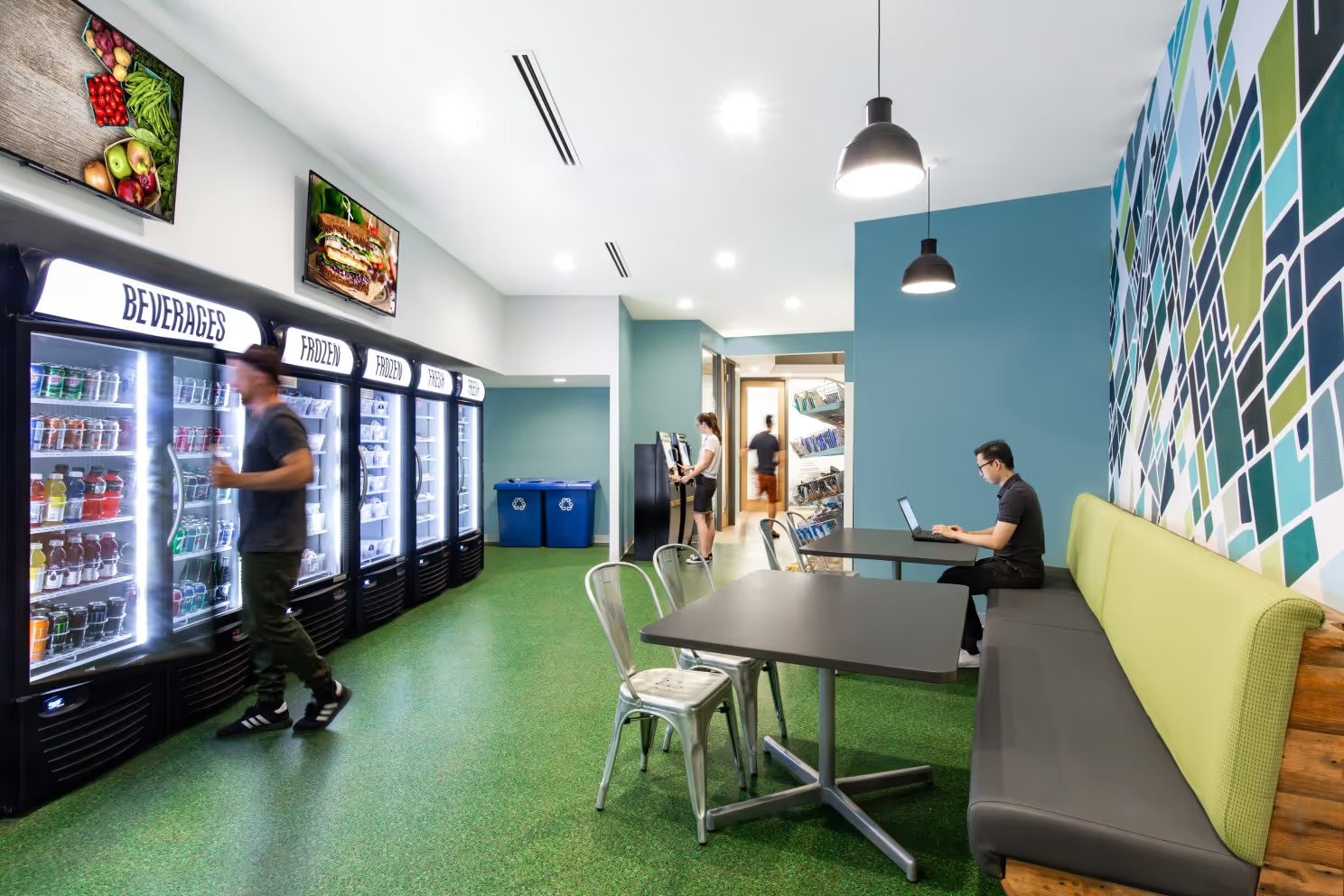
- Food and coffee as motivators: These elements naturally draw people together. By intentionally placing coffee stations or food areas in underutilized spaces, we can energize the environment and encourage informal interaction.
- Creating triangulation through shared experiences: Introducing unique or unexpected elements—like a shuffleboard table, a dog-friendly policy, or rotating art installations—provides a third point of interest that helps spark conversation and ease social connections.
- Tailored collaboration spaces: Rather than defaulting to generic layouts, we design collaboration areas based on how people actually work. This includes open team zones for spontaneous exchange, enclosed rooms for focused group work, and hybrid pods for seamless in-person and virtual collaboration. By considering a wide range of human experiences—such as background, ability, size, and gender—we create spaces that truly support connection.
“Design That Leaves People Better Than It Found Them”
At its core, the role of interior design in the workplace has shifted from simply supporting work to supporting the people who do the work. A well-designed space reflects its ability to enhance personal well-being, foster inclusivity, build connections, and contribute to business success.
At Omicron Interiors, we believe in creating environments where people don’t just work, they thrive. Our mission is to design spaces that reflect your organization’s values and leave people feeling better, more energized, and more connected than when they arrived.
If you’re looking to transform your office, contact us for a consultation.