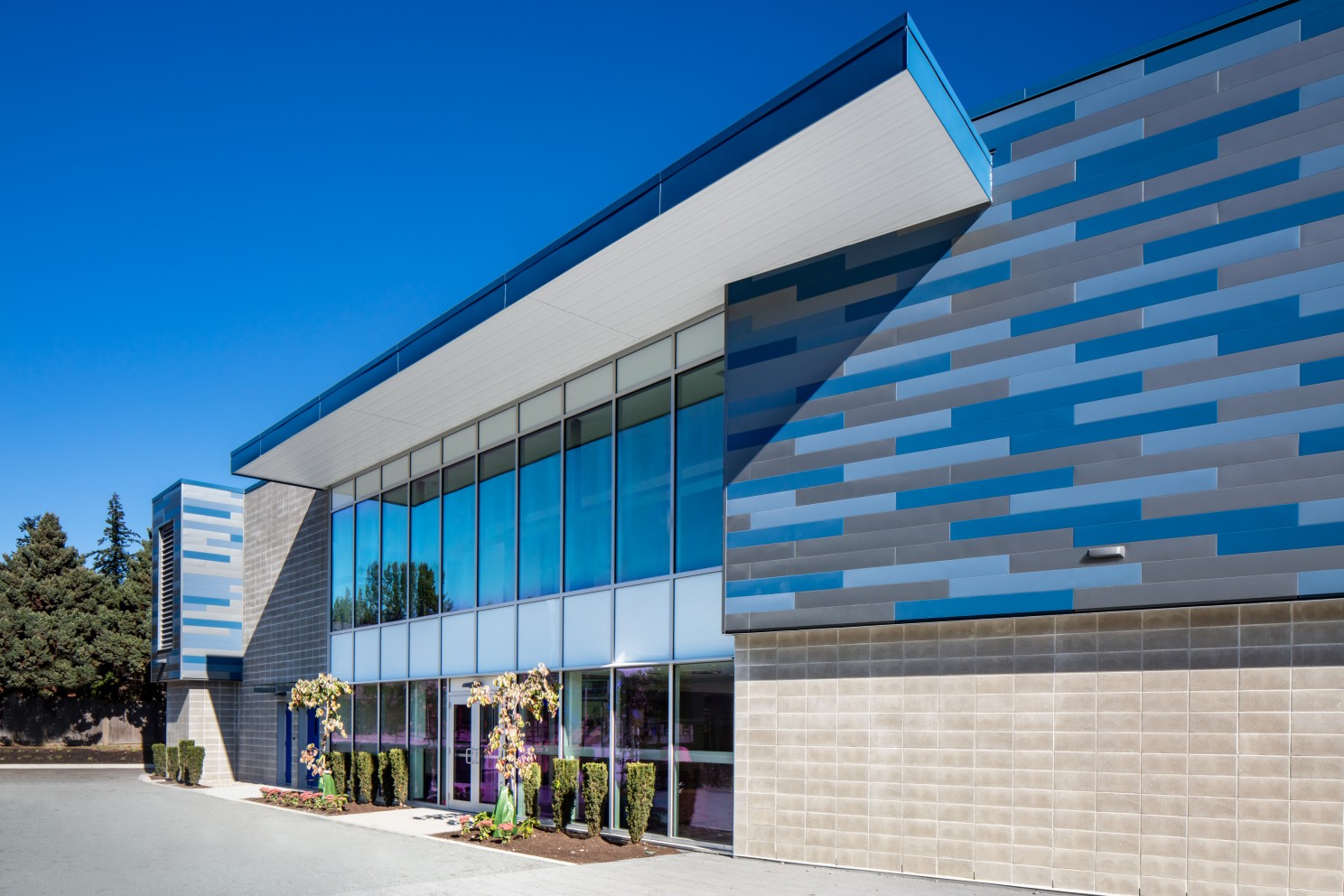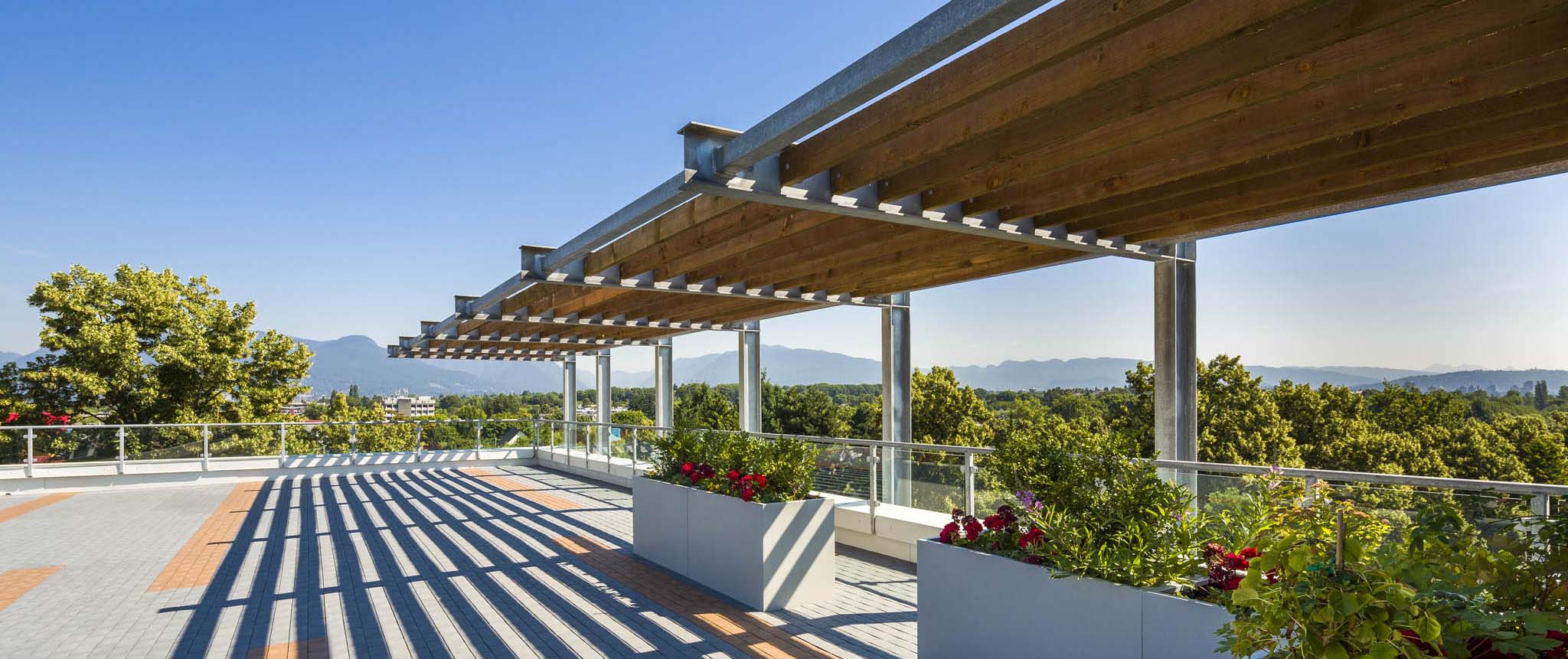
A Better Way to Build Schools: Innovative Strategies for Educational Spaces
By Kevin Hanvey, Architect AIBC and VP Architecture
VANCOUVER, BC — The challenges facing the creation of educational spaces across British Columbia today – and particularly in the Metro Vancouver region – relate to a scarcity of available land and the cost of any land that is available.
In previous decades, both public and private educators had the luxury of access to plentiful and affordable land, centrally-located on which to build sprawling, (usually) low-density schools with ample space around them for playgrounds and sports fields. Given the growth in the population of Metro Vancouver, these kinds of sites are in short supply if they can be found at all and – if they are found – command such a premium on price that it renders them out of reach for most educational institutions.
We have had success in creating solutions to achieving our client’s programmatic objectives through innovative strategies of developing program and utilizing the site in the most creative and efficient manner possible.
A key to unlocking the potential of sites for more efficient uses depends on two strategies. Firstly, in urban environments, the strategies related to vehicle parking/pick-up and drop-off have led us to find creative strategies to free up available site area to accommodate program elements. Secondly, we have generally broken away from the traditional model of lengthy, double-loaded corridors with classrooms arrayed on either side in favour of more open and organic strategies that often rely on flexible use spaces that double as circulation areas and meet some of the programmatic needs for break-out gatherings and study areas.
The following examples showcase how these solutions have been successfully implemented in real projects:
Vancouver Christian School — Vancouver, BC
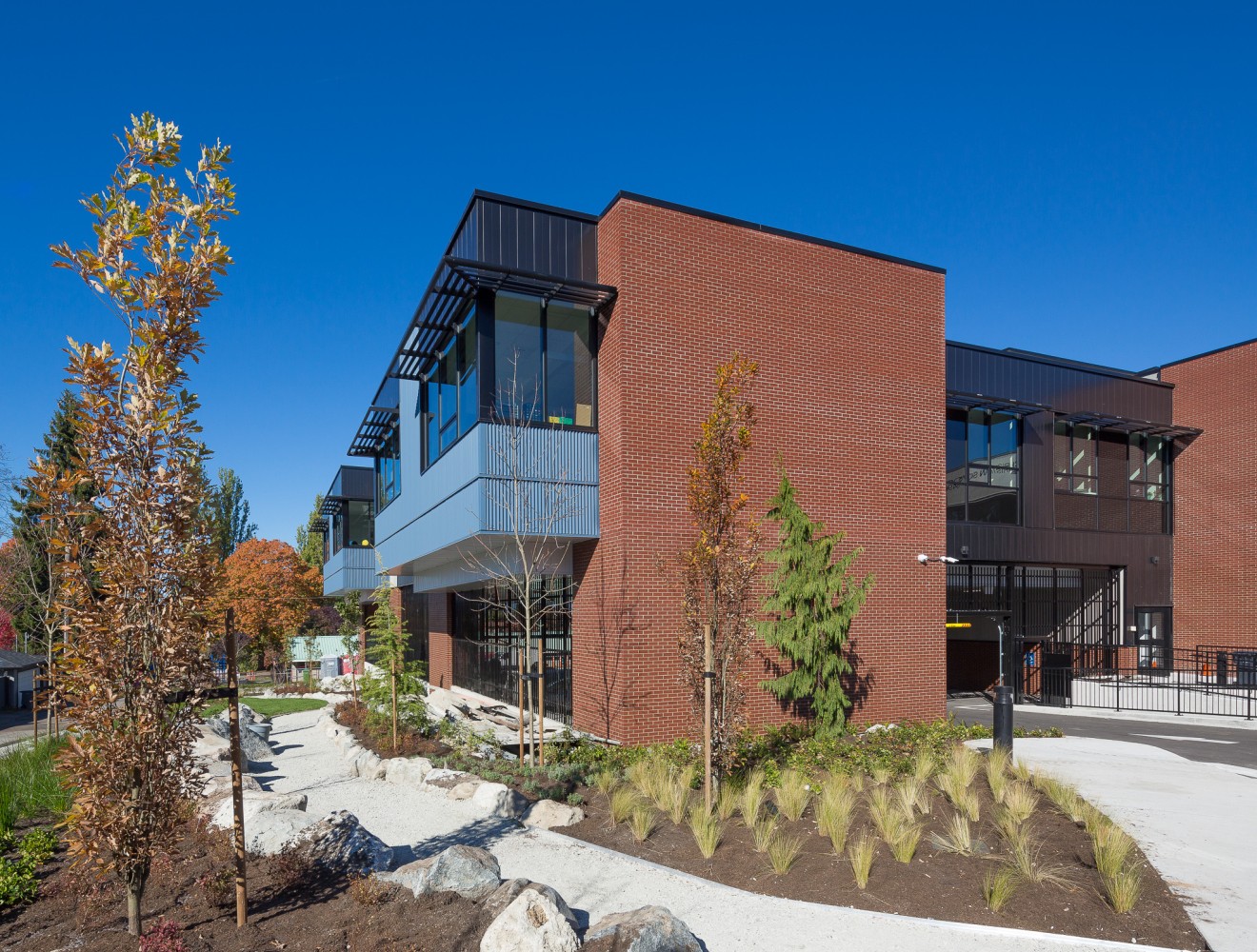
Southpointe Academy — Tsawwassen, BC
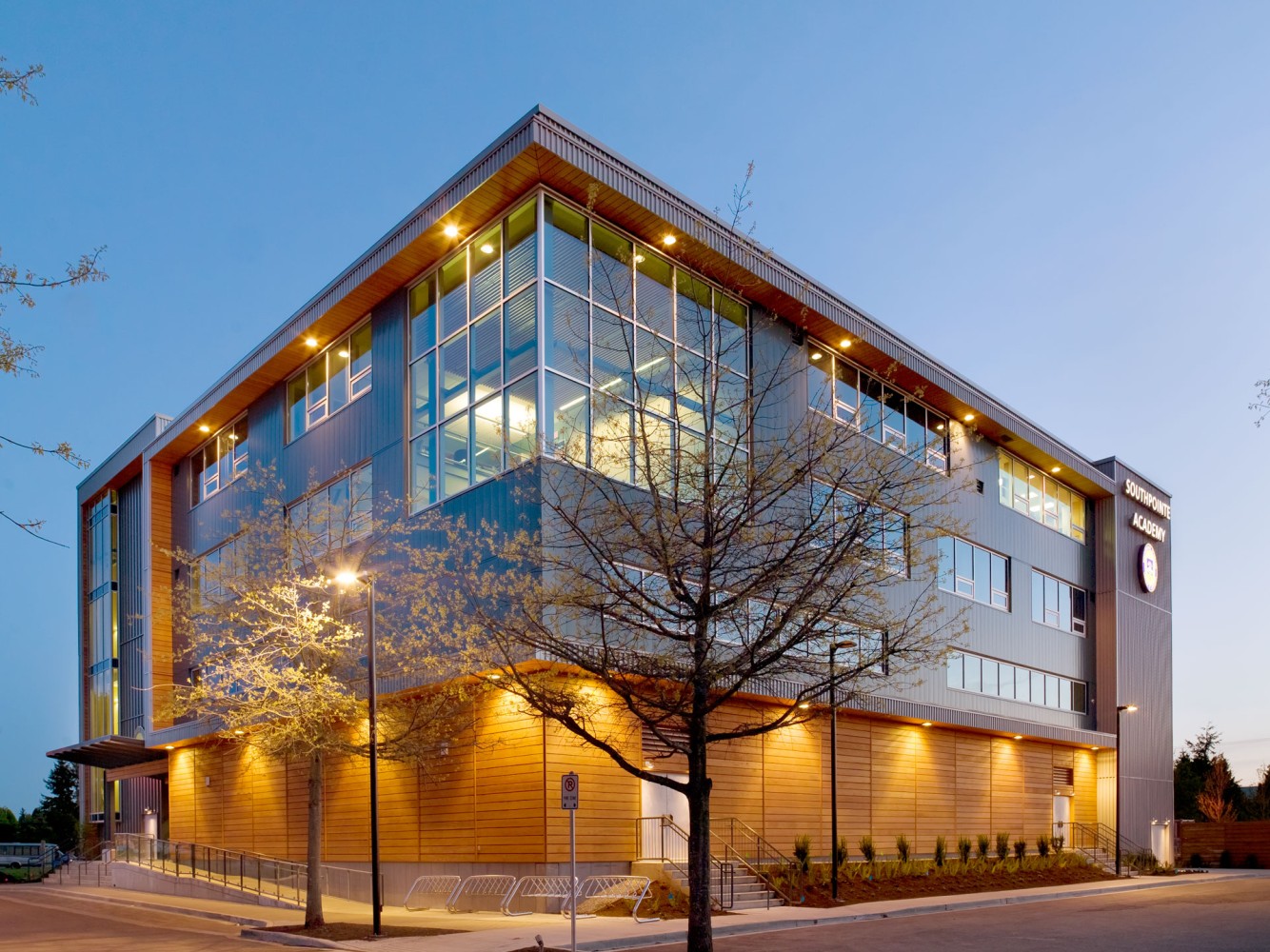
Stratford Hall (Junior and Middle Schools) — Vancouver, BC
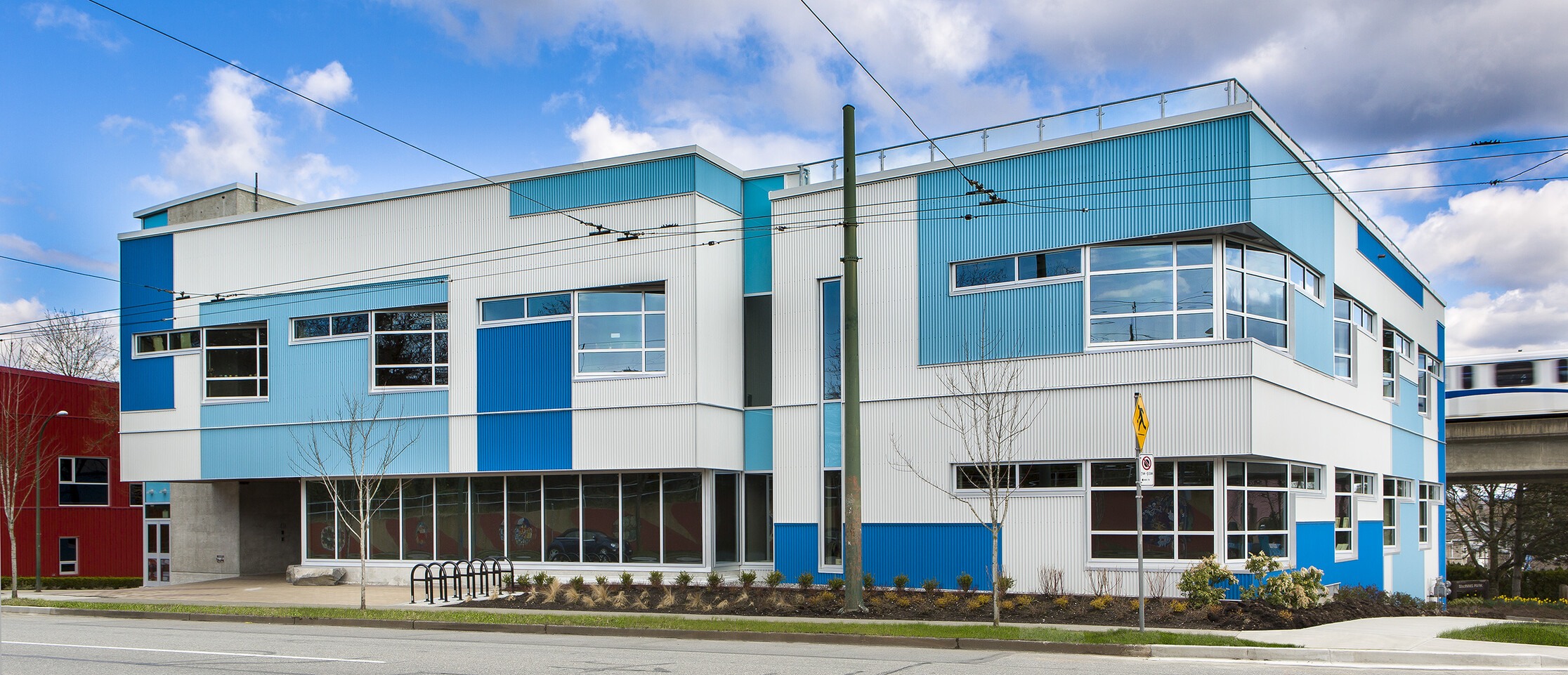
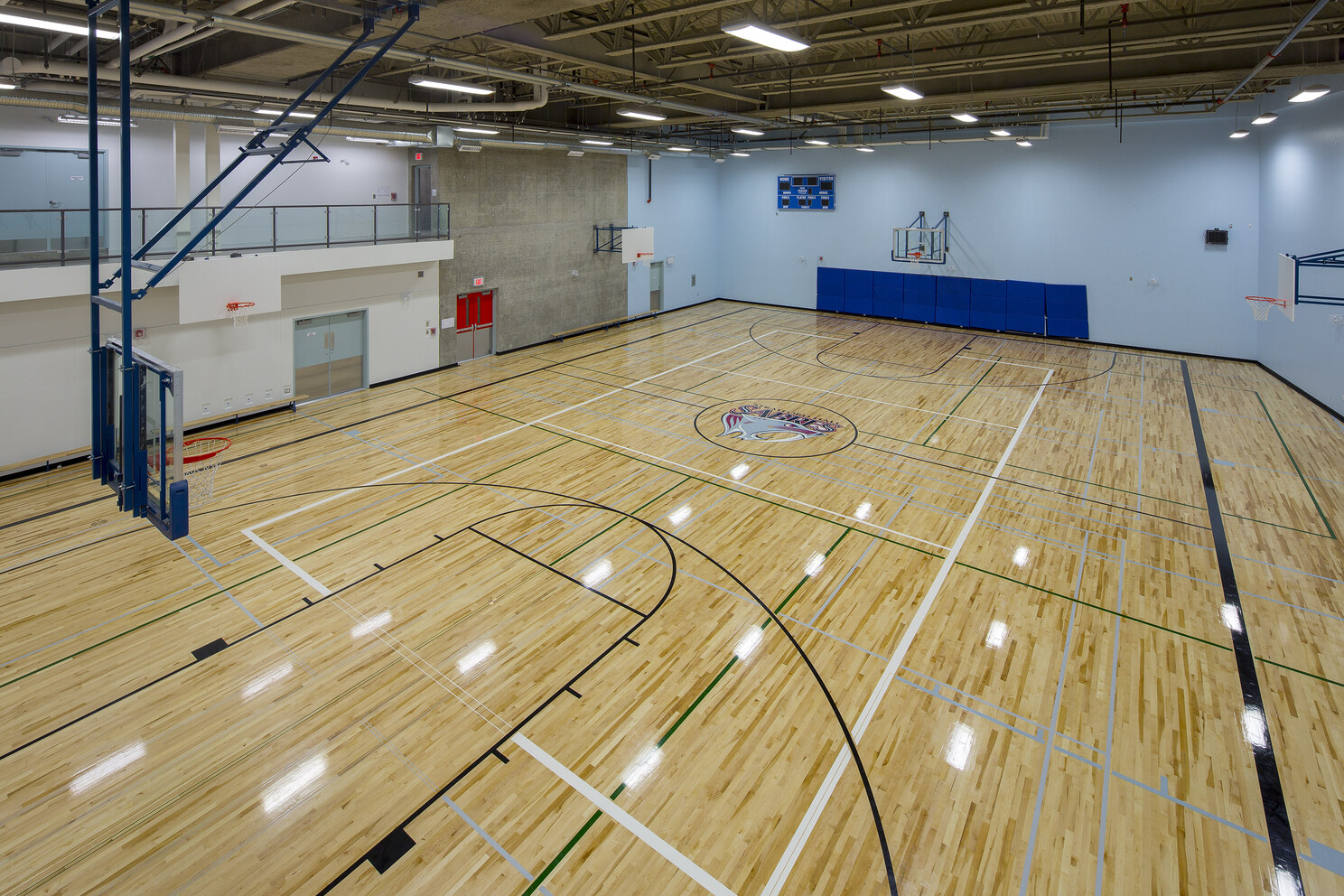
White Rock Christian Academy — Surrey, BC